
Retail Product Displays: Gondola Ends, Shelving, Wall Bays and FSDUs
A retail display unit has to do several jobs at once: hold stock safely, show products at the right height, carry the brand, and fit a store layout that may have strict rules on footprint and height. Brands placing displays in other retailers' stores often have to meet that retailer's guidelines too.
Start with the product. Tell us what you're displaying, how much stock the fixture should hold, how shoppers will pick items up and where it's going. We'll talk through structure, materials and graphics that work with the product. For freestanding plinths that present a single product at a launch or showroom, see product display stands.
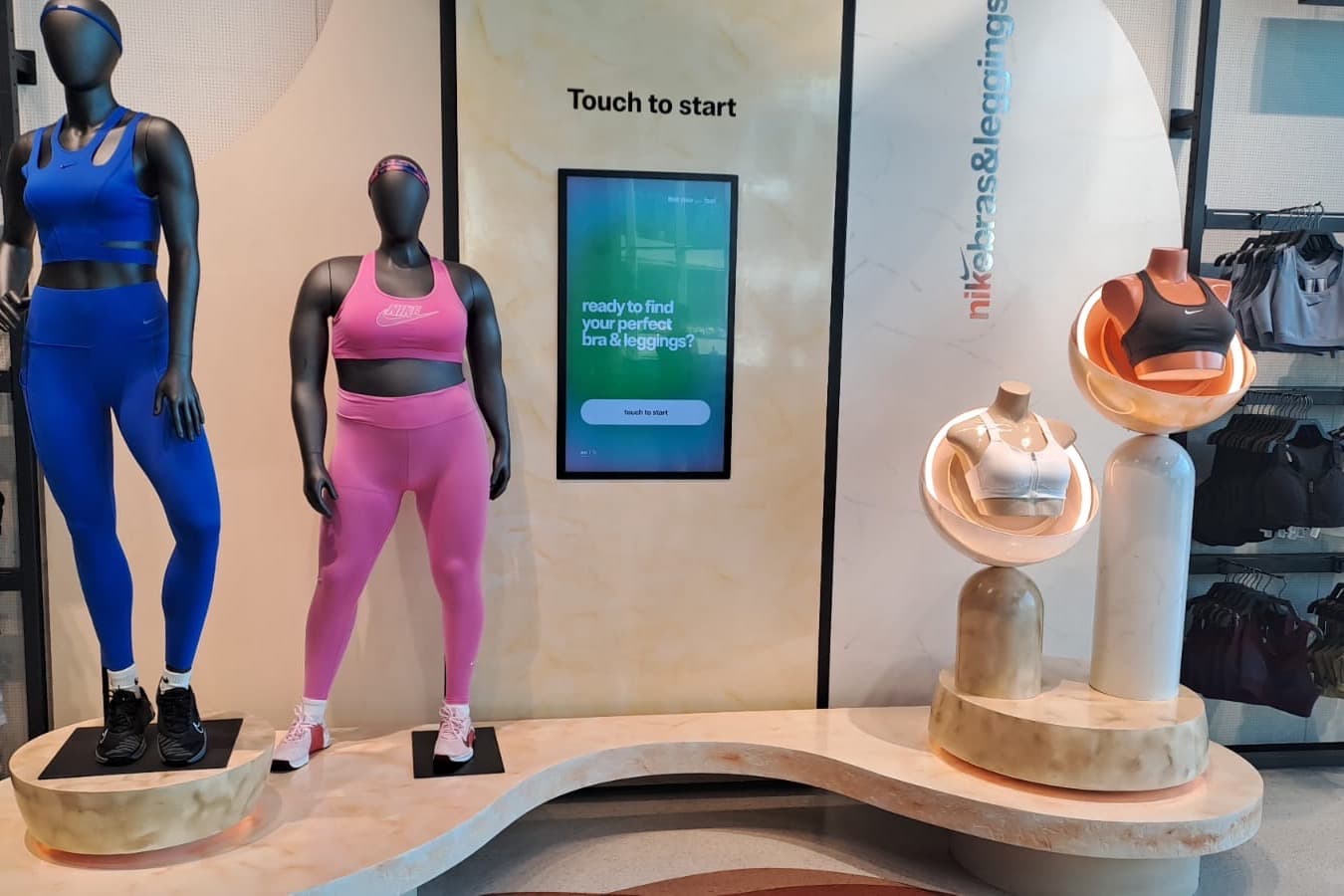
Typical applications
Brand zones in retail stores
Branded shelving and display units for a product range within a larger store.
Wall bays and shelving
Branded wall bays and shelving systems that organise a range and guide shoppers.
Counter and tabletop displays
Smaller units near tills that hold impulse or featured products.
Plinths and hero displays
Display bases that lift a key product off the floor and give it space.
What we need to quote
- Products to be displayed, with sizes and weights
- Stock quantity the unit should hold
- Available floor or counter footprint
- Retailer or mall guidelines, if any
- Number of units and stores
Don't have everything yet? Send what you have and we'll ask for the rest.
Questions
Can a display unit be flat-packed for delivery to several stores?
Units can be designed to break down for transport, which helps multi-store rollouts. Tell us how many stores and how the units will be delivered.
Do retailers have rules for brand displays?
Many do, covering height, footprint, lighting and materials. Share any guidelines you've been given and we'll design within them.
How is a display unit priced?
Pricing depends on size, materials, quantity, finish and installation, along with lighting and any locking storage. Ordering several identical units usually lowers the cost per unit.